Calendar
| Sun | Mon | Tue | Wed | Thu | Fri | Sat |
|---|---|---|---|---|---|---|
| Sunday Bhajan and Satsang 11:30 am Sunday Bhajan and Satsang Jan 5 @ 11:30 am – 1:00 pm 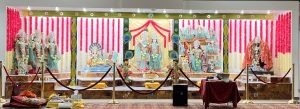 Every Sunday, we have SATSANG (Bhajans, kirtans, Kathas etc.) From 11:30 AM – 01:00 PM followed by Aarti and Prasadam (Lunch) | ||||||
| Sunday Bhajan and Satsang 11:30 am Sunday Bhajan and Satsang Jan 12 @ 11:30 am – 1:00 pm Every Sunday, we have SATSANG (Bhajans, kirtans, Kathas etc.) From 11:30 AM – 01:00 PM followed by Aarti and Prasadam (Lunch) | ||||||
| Sunday Bhajan and Satsang 11:30 am Sunday Bhajan and Satsang Jan 19 @ 11:30 am – 1:00 pm Every Sunday, we have SATSANG (Bhajans, kirtans, Kathas etc.) From 11:30 AM – 01:00 PM followed by Aarti and Prasadam (Lunch) | ||||||
| Sunday Bhajan and Satsang 11:30 am Sunday Bhajan and Satsang Jan 26 @ 11:30 am – 1:00 pm Every Sunday, we have SATSANG (Bhajans, kirtans, Kathas etc.) From 11:30 AM – 01:00 PM followed by Aarti and Prasadam (Lunch) |
Every Sunday, we have SATSANG (Bhajans, kirtans, Kathas etc.)
From 11:30 AM – 01:00 PM followed by Aarti and Prasadam (Lunch)

06.00 pm – 08.00 pm Bhajan and Lohri Celebration
07.30 pm Arti followed by Bon Fire pooja and Prasad
It is believed by many that the festival marks the passing of the winter solstice. Lohri marks the end of winter, and is a traditional welcome of longer days and the sun’s journey to the northern hemisphere by people in the northern region of the Indian subcontinent. It is observed the night before Maghi, also known as Makar Sankranti, and according to the solar part of the lunisolar Vikrami calendar and typically falls about the same date every year (13 January).
Every Sunday, we have SATSANG (Bhajans, kirtans, Kathas etc.)
From 11:30 AM – 01:00 PM followed by Aarti and Prasadam (Lunch)
Every Sunday, we have SATSANG (Bhajans, kirtans, Kathas etc.)
From 11:30 AM – 01:00 PM followed by Aarti and Prasadam (Lunch)
Every Sunday, we have SATSANG (Bhajans, kirtans, Kathas etc.)
From 11:30 AM – 01:00 PM followed by Aarti and Prasadam (Lunch)
Every Sunday, we have SATSANG (Bhajans, kirtans, Kathas etc.)
From 11:30 AM – 01:00 PM followed by Aarti and Prasadam (Lunch)
Every Sunday, we have SATSANG (Bhajans, kirtans, Kathas etc.)
From 11:30 AM – 01:00 PM followed by Aarti and Prasadam (Lunch)
Every Sunday, we have SATSANG (Bhajans, kirtans, Kathas etc.)
From 11:30 AM – 01:00 PM followed by Aarti and Prasadam (Lunch)
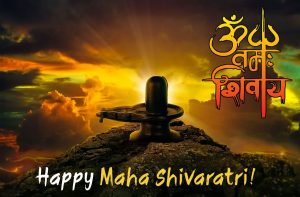
Shivaratri is great festival of convergence of Shiva and Shakti. It is believed that Maha Shivratri falls on such an auspicious day in the northern hemisphere that it raises a person’s spiritual power. Maha Shivratri also celebrates when Lord Shiva performed the “Tandav,” the cosmic dance.
Vrat Vidhi
One day before Shivaratri Vratam, most likely on Trayodashi, devotees should eat only one time. On Shivaratri day, after finishing morning rituals devotees should take Sankalp (संकल्प) to observe full day fast on Shivaratri and to take food next day. During Sankalp devotees pledge for self-determination throughout the fasting period and seek blessing of Lord Shiva to finish the fast without any interference. Hindu fasts are strict and people pledge for self-determination and seek God blessing before starting them to finish them successfully.
On Shivaratri day devotees should take second bath in the evening before doing Shiva Puja or visiting temple. Shiva Puja should be done during night and devotees should break the fast next day after taking bath. Devotees should break the fast between sunrise and before the end of Chaturdashi Tithi to get maximum benefit of the Vrat.
Every Sunday, we have SATSANG (Bhajans, kirtans, Kathas etc.)
From 11:30 AM – 01:00 PM followed by Aarti and Prasadam (Lunch)